
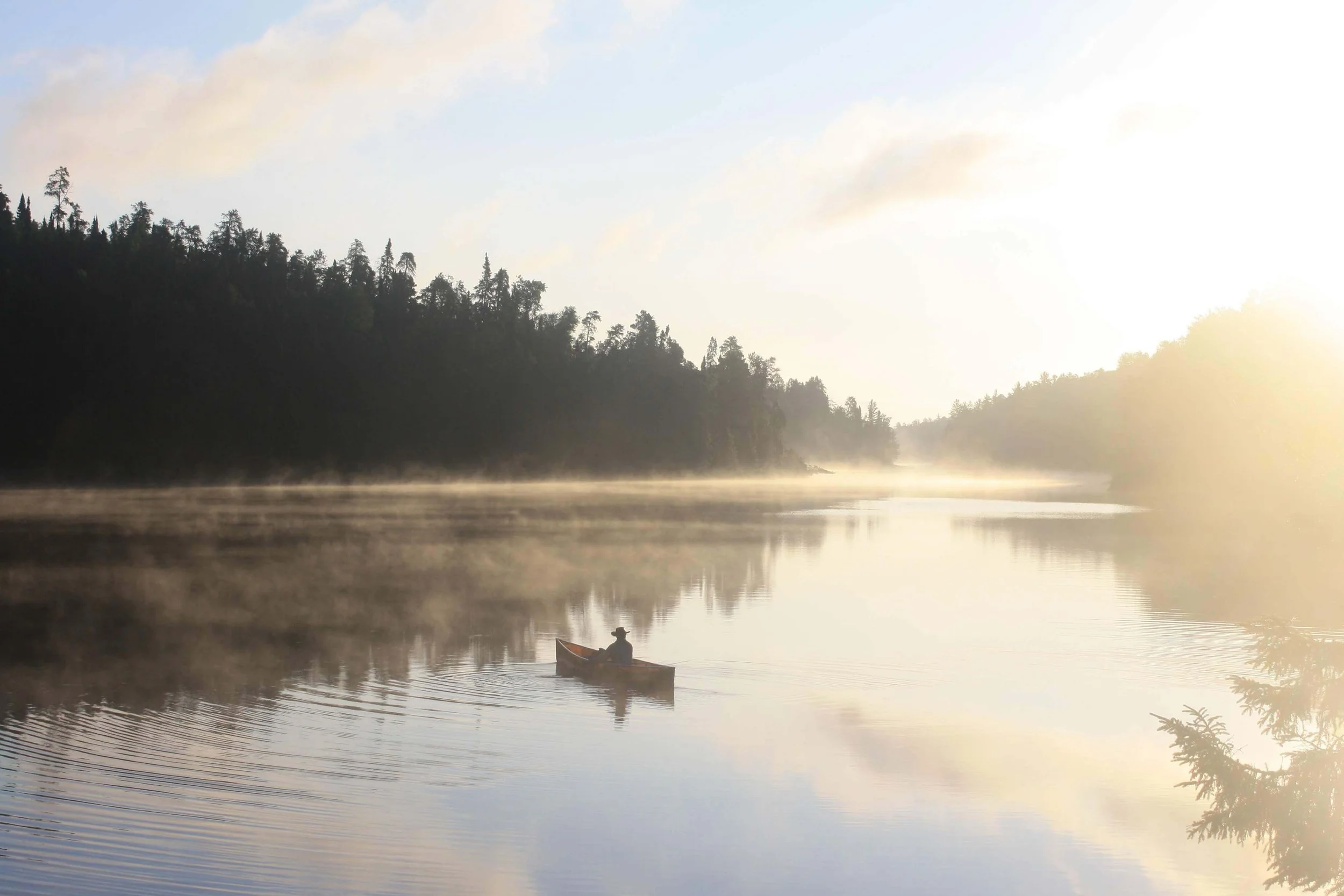
Copper-sulfide mining extracts trace amounts of copper, nickel, and other metals from sulfide-bearing ores. It sounds industrial and distant. But proposed mines by Chilean mining giant Antofagasta on the edge of the Boundary Waters Canoe Area Wilderness would put one of America's most treasured wild places, and the communities that depend on it, at serious risk.
What’s at stake
The Boundary Waters region supports a thriving outdoor economy built on clean water and wild land. A copper-sulfide mine gone wrong wouldn't just damage an ecosystem. It would threaten a way of life.
Canoe outfitters and guides who depend on pristine lakes and rivers to run their businesses
Fishing resorts and charter guides serving anglers drawn to world-class walleye, bass, and lake trout fisheries
Hunting and wildlife recreation across millions of acres of boreal forest habitat
Hiking, camping, and backpacking in one of the most visited wilderness areas in the country
Tourism businesses in communities like Ely, Grand Marais, and Tower that rely on clean-water visitors year-round
Over 1 million acres of the BWCA, federally designated wilderness, plus millions more acres of surrounding Superior National Forest
Why copper-sulfide mining is different
This isn't the familiar iron mining which has helped build the state of Minnesota. Copper-sulfide mining, the kind proposed by Twin Metals, is far more toxic and has never been done in Minnesota before. The EPA classifies sulfide mining as part of the most toxic industry in the country.
Here's the basic chemistry: when sulfide-bearing ores are crushed and exposed to water or oxygen, they produce sulfuric acid, the same as battery acid. That acid then leaches heavy metals like mercury, lead, and arsenic out of the rock. The result is acid mine drainage: a toxic soup that acidifies lakes and rivers and poisons aquatic life.
The pollution doesn't stay put
Northern Minnesota's greatest asset, its water, is also what makes this region so vulnerable.
Acid mine drainage can last for hundreds or even thousands of years
Every day, more than 50 million gallons of contaminated wastewater spills from closed or abandoned mines across the U.S. (That’s enough to fill 76 Olympic-sized swimming pools!)
Pollution doesn't stay localized. It travels with the water, spreading across streams, lakes, and rivers over millions of acres
There has never been a copper-sulfide mine that has not contaminated surrounding water sources
The clean water and interconnected waterways that make the Boundary Waters extraordinary would also amplify the spread of any contamination, carrying it into Lake Superior and beyond.